Why VitaOxy Hydrogen Generator Is the Smart Choice for Your Wellness Brand
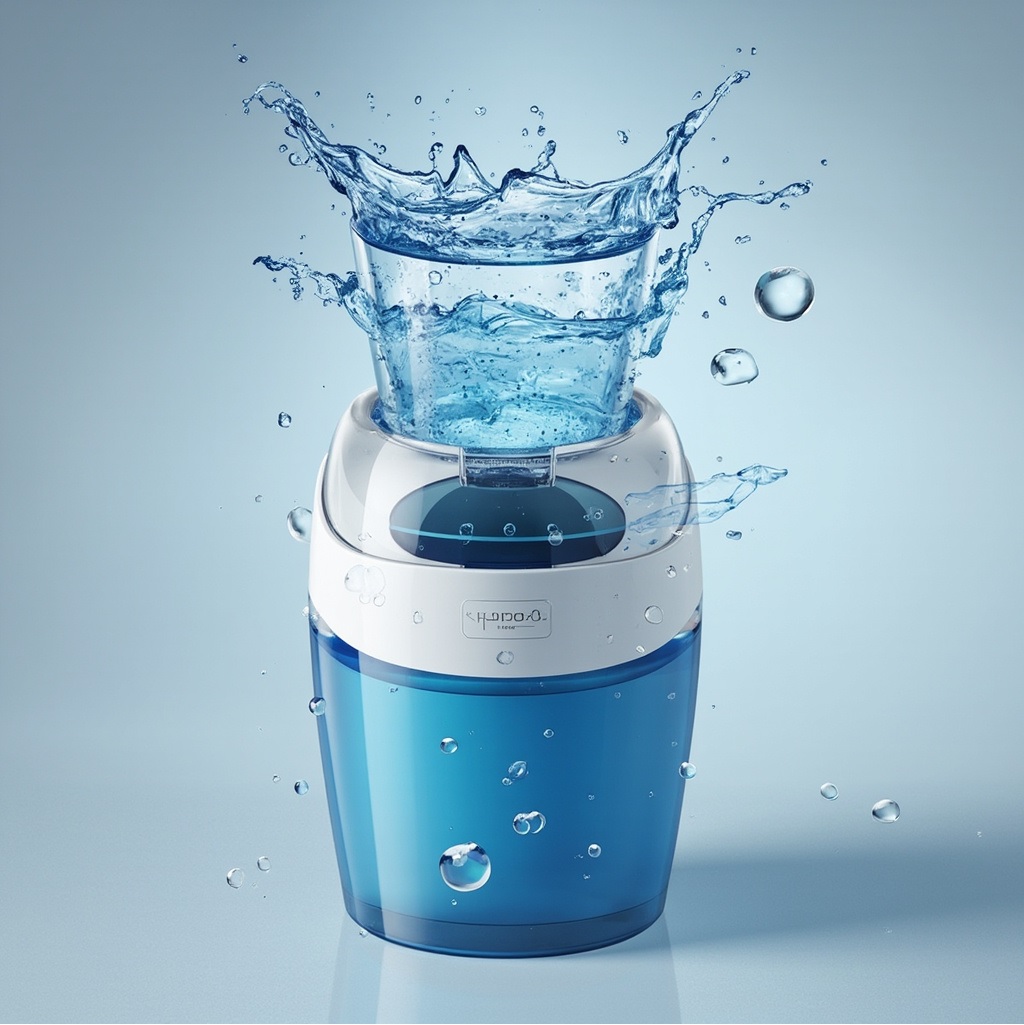 Your customers are drowning in noise. Every week, a new wellness gadget promises to reverse aging, boost energy, or detoxify the liver. Most of them deliver little more than a dent in your brand’s credibility. So when you decide to add a Hydrogen Generator to your product lineup, you are not just picking a machine. You are making a bet on your reputation. And that bet needs to pay off with science, reliability, and a story that sells itself. That is exactly where VitaOxy steps in.
Let’s be blunt. The hydrogen water market is flooded with cheap units that rust after three months, produce inconsistent gas concentrations, or require constant filter swaps that eat into your margins. Your wellness brand cannot afford to be associated with hardware that fails. Every time a customer complains about a broken device, they do not blame the manufacturer. They blame you. VitaOxy eliminates that risk by engineering generators that actually hold up under daily commercial use. The electrolysis cells are built with platinum-coated titanium plates, not the flimsy carbon-based alternatives that degrade in weeks. The result is a steady output of molecular hydrogen at concentrations that match clinical study parameters. Your customers get the real deal, and your brand gets the credibility.
But here is the part that matters for your bottom line: VitaOxy makes your marketing easier. The technology is backed by over a thousand peer-reviewed studies on molecular hydrogen’s effects on oxidative stress, inflammation, and athletic recovery. That is not a vague wellness claim. That is hard science you can put on your website, your social media, and your product packaging without cringing. You do not need to invent flowery language about “energizing your cells.” You can simply say: “This generator delivers hydrogen-rich water at 1.6 ppm, consistent with therapeutic protocols used in clinical research.” That kind of precision builds trust fast.
Think about your customer journey for a second. Someone lands on your store, reads about hydrogen water, and hesitates. They have been burned by wellness fads before. What makes them click “buy”? It is the combination of a strong brand and a product that does not require a leap of faith. When you offer VitaOxy, you give them a tangible reason to trust you. The unit is quiet, compact, and designed to sit on a countertop without looking like a lab experiment. It self-cleans between cycles. The user interface is so simple that a sixty-year-old newbie and a biohacking enthusiast will both feel comfortable. And because the generator lasts for years with minimal maintenance, you reduce the risk of returns and negative reviews that drag down your store’s rating.
From a business perspective, the math works in your favor too. VitaOxy generators come with wholesale pricing structures that allow you to maintain healthy margins while still pricing competitively. You are not forced to mark up a mediocre product to cover losses from warranty claims. Instead, you can focus on building bundles, subscription models for replacement parts, or educational content that positions your brand as the authority in hydrogen therapy. The machine itself becomes a gateway to deeper customer relationships. Once someone buys a generator, they are in your ecosystem. They will come back for filters, accessories, and eventually upgrades.
Let’s also talk about the elephant in the room: differentiation. The wellness space is crowded. Every brand claims to be “premium” or “doctor-recommended.” But when you carry VitaOxy, you have a genuine differentiator. You can show real-time dissolved hydrogen readings. You can demonstrate the longevity of the electrolysis cell. You can point to third-party lab tests that verify the output. That is not marketing fluff. That is evidence. And in a market where consumers are becoming increasingly skeptical, evidence is the only currency that holds value.
Your brand deserves a partner that elevates your story, not one that forces you to apologize for product failures. VitaOxy is that partner. It is the smart choice because it protects your reputation, simplifies your operations, and gives your customers a reason to believe in hydrogen therapy again. Do not settle for a generator that just makes bubbles. Choose one that makes your brand stronger.