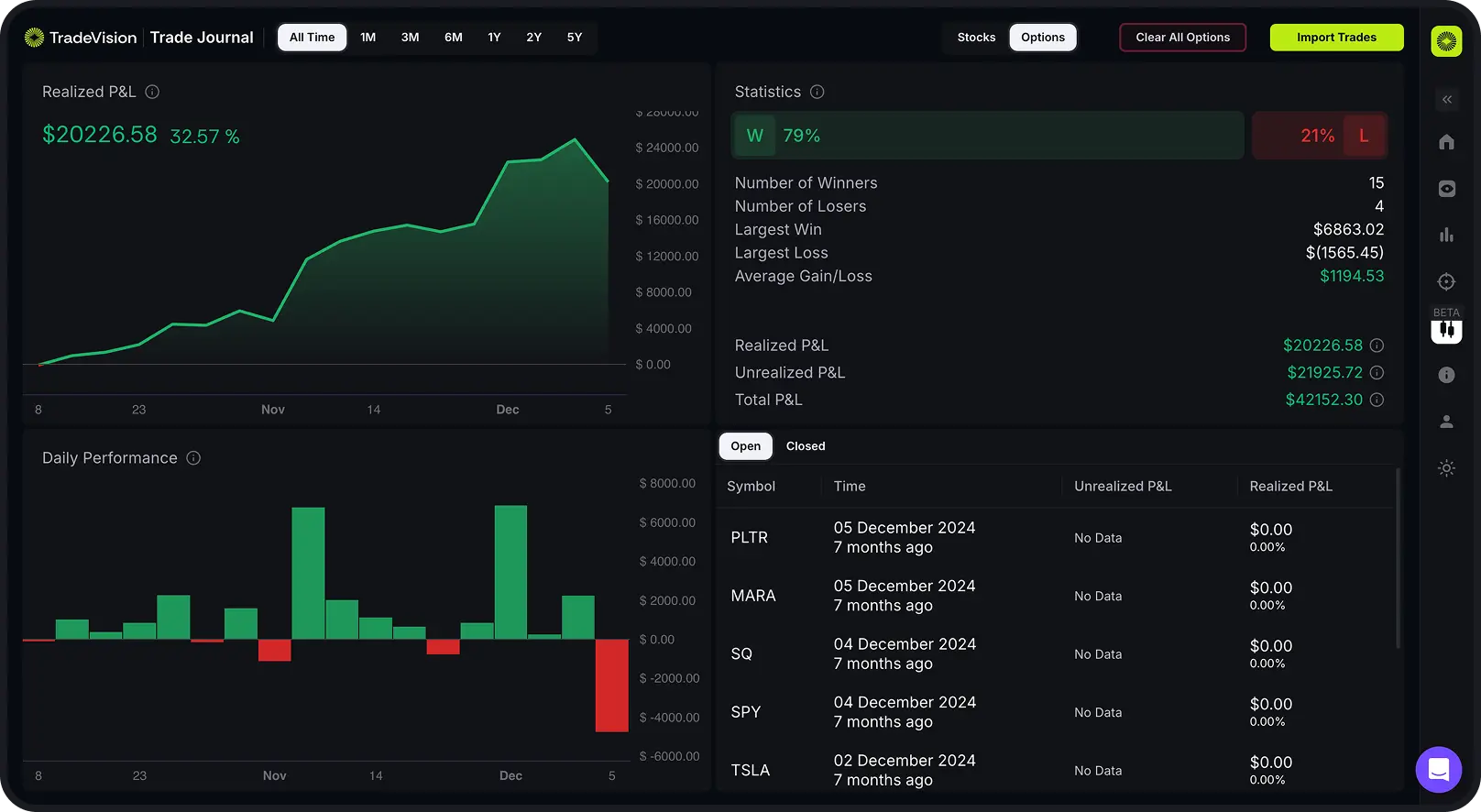
Understand Automated Insights Through AI Trading Platforms
Automated insights are changing the way market information can be reviewed, organized, and understood. AI driven trading systems can process large volumes of price, volume, trend, and market activity data quickly, helping users notice meaningful patterns without spending excessive time on manual screening. Research also highlights that AI tools can support faster analysis while still requiring careful validation and human oversight.
Turning Large Data Into Clear Insights
AI can transform complex market information into easier observations by combining multiple signals and identifying relationships across datasets. This can make research more structured and support a consistent analytical routine. Clear explanations can also help users connect individual signals with broader market context.
- Processes large amounts of market information rapidly
- Highlights recurring price and volume patterns
- Organizes signals into understandable summaries
- Supports faster comparison between market conditions
- Helps reduce repetitive manual screening
Supporting Smarter Market Observation
Automated insight generation can help users monitor changing conditions throughout a trading session. Instead of reviewing every available data point individually, users can focus attention on information that has been identified as potentially relevant.
- Tracks momentum and changing market direction
- Detects unusual movements or activity
- Summarizes important technical observations
- Helps monitor several instruments efficiently
- Encourages a more organized research workflow
Making Analysis More Consistent
Consistency is another useful advantage of AI assisted analysis. When the same analytical rules are applied repeatedly, users can create a more systematic process for reviewing market information. This can be especially helpful when research involves numerous indicators or repeated comparisons.
- Applies defined analytical conditions consistently
- Reduces repetitive observation tasks
- Helps maintain structured research habits
- Makes historical comparisons easier
- Supports clearer documentation of observations
Exploring Trends Through Automated Intelligence
Automated systems can combine technical indicators, historical information, and current market activity to generate useful insights. Some modern financial research tools also use natural language interfaces, allowing users to ask questions and receive organized analytical responses. TrendEadvisor can be considered within this broader interest in technology assisted market research.
- Connects different forms of market information
- Helps identify relationships between indicators
- Presents complex observations in accessible formats
- Supports quicker research and review
- Creates opportunities for deeper market exploration
Building Better Research Habits
AI generated insights are most useful when they complement thoughtful decision making rather than replace it. Market conditions can change quickly, and automated outputs may contain errors or limitations, making verification an important part of responsible analysis. Backtesting, source checking, risk controls, and human review can strengthen the overall research process.
- Review automated observations before acting
- Compare insights with historical market behavior
- Check assumptions behind generated signals
- Maintain clear risk management practices
- Use automation to support, not replace, independent judgment
Automated insights offer a practical way to organize complex market information and make analytical workflows more efficient. With careful validation and consistent research habits, AI assisted systems can help users explore trends, compare conditions, and understand market activity with greater clarity.