Business

Earthmoving Covers Across Brands and Models: What Actually Matters

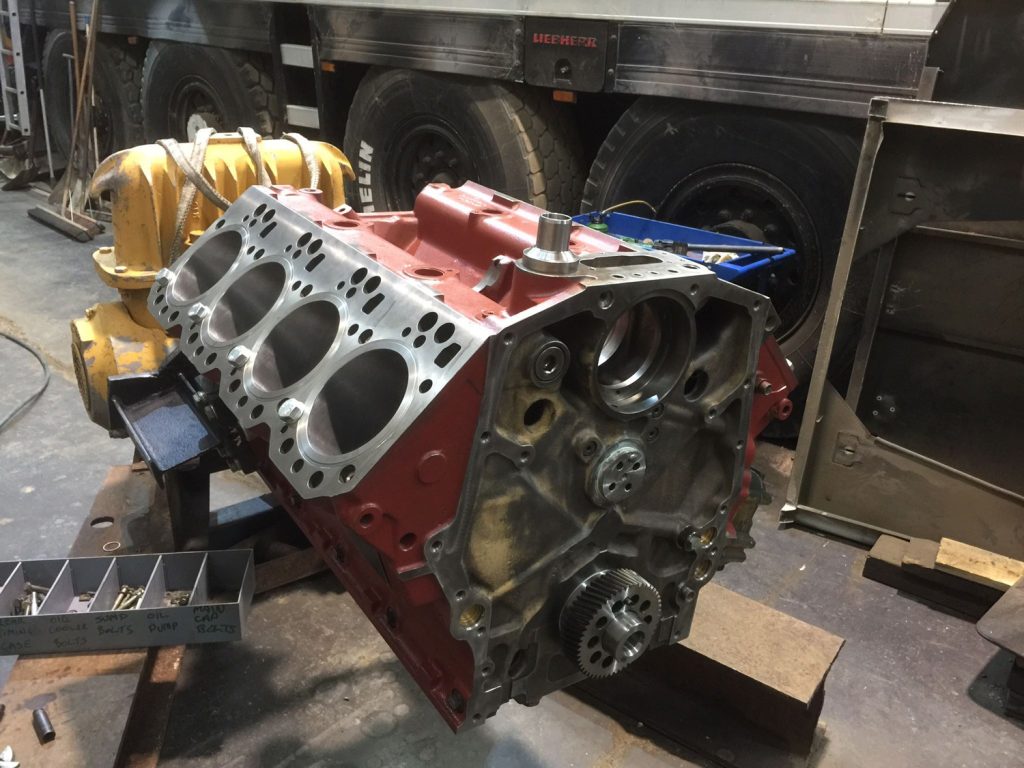
Buying a cover sounds simple until you’re staring at a mixed fleet and realizing “universal fit” can mean “fits… kind of.” Terrappe-style earthmoving covers live or die on the boring stuff: attachment geometry, seam quality, UV stability, and whether you can still reach service points without fighting the fabric every single time.

One good cover saves you headaches. A bad one becomes a permanent shop joke.


 Hot take: universal covers are overrated (unless you run a standardized fleet)

Universal enclosures sell the dream: one SKU, many machines, easy procurement. And yes, they can work. But I’ve seen “universal” designs flap at the corners, creep at the zipper line, and rub paint off high-contact edges because the anchor points weren’t where the cover assumed they’d be.

Brand-specific (or model-specific) covers don’t always look more impressive on paper, but in the field they tend to behave like they belong there, because they do. Better alignment around hydraulics. Cleaner access to control panels. Fewer weird tension folds that collect grit.

Now, this won’t apply to everyone, but if uptime is money and your crew hates fiddly installs, tailored fit usually wins, especially when you’re protecting assets like Terrappe earthmoving equipment that need to stay ready for the next job.


 The actual decision isn’t “universal vs. brand-specific”

It’s this:

How much variability can you tolerate before the cover starts creating work?

A little slack is fine. Slack that blocks a filter door, snags on a handrail, or funnels rainwater into a seam… not fine.

Here’s the mental model I use when advising fleet owners:

– Universal makes sense when you want speed, simplified inventory, and fleet-wide standardization

– Brand-/model-specific makes sense when access, sealing, and repeatable fit matter more than SKU reduction

– Mixed approach is common in real life: universal for low-risk applications (storage, transport), tailored for high-wear machines (daily operators, abrasive sites)


 Terrappe Covers 101: what you actually need to know before you buy anything

Start with the machine, not the catalog.

Measure what matters, not just length/width/height, but the stuff that ruins fit:

– Protrusions (mirrors, exhaust stacks, beacon lights, handrails)

– Articulation zones (loader arms, boom/stick positions, pivot points)

– Heat sources (turbo housings, regen components)

– Service access (daily checks, grease points, battery access, DEF fill)

Then map your environment. A cover for a coastal yard behaves differently than one living in quarry dust or on a chemical-heavy remediation site.

Look, if you skip the exposure assessment, you’ll buy the “nicest” cover and still hate it six months later.


 Material and durability: the stuff that separates “protective” from “temporary”

Some buyers obsess over fabric thickness. I get it, thicker feels safer. But longevity is more about coating chemistry, seam construction, and UV stability than raw weight.


 Weather resistance, in specialist terms

When you compare covers across brands, the most useful performance indicators tend to be:

– UV resistance (stabilizers + pigment quality + coating durability)

– Hydrostatic head / water resistance (how long it resists pressure-driven leaks)

– Abrasion performance at edges and contact points

– Seam sealing method (tape, welded seams, stitched + sealed hybrids)

A cover that’s “waterproof” on day one but splits at the seams after thermal cycling isn’t waterproof. It’s optimistic.

One quick data point, because marketing claims are cheap: UV radiation is the dominant driver of polymer degradation outdoors, and materials like polyethylene and polypropylene lose mechanical properties without stabilization. NASA’s Earth Observatory notes UV exposure accelerates plastic breakdown and embrittlement over time, especially under heat and oxygen presence (NASA Earth Observatory, “The Ultraviolet Index,” https://earthobservatory.nasa.gov/).

That’s why UV treatment isn’t a checkbox, it’s the difference between a cover that lasts and one that fades, stiffens, and cracks.


 Exposure impacts longevity (the practical version)

– High UV + heat: expect fading, embrittlement, microcracking

– High humidity: mold risk, trapped condensation, coating delamination if breathability is poor

– Freeze/thaw cycles: seam stress and edge splitting show up fast

– Constant grit: abrasion becomes the main failure mode, not rain

In my experience, abrasion kills covers before water does on most active jobsites.


 Fit and access: if it’s annoying, it won’t get used

This section doesn’t need a lecture. People avoid tools that waste their time. Covers are no different.

Terrappe-style designs that work across brands tend to have a few consistent traits:

Quick-access zippers that don’t bind under tension.

Anchors that land where you can reach them without crawling.

Fasteners that stay put under vibration.

Some manufacturers lean hard on Velcro. Velcro is great until it’s full of dust and starts behaving like a weak suggestion. I prefer mechanical closures or hybrid systems for abrasive environments (Velcro still has its place, just not as the only line of defense).

One-line reality check:

If the cover blocks routine inspection points, you’ll “temporarily” stop using it.


 Dust, mud, and abrasion: where covers really earn their keep

Rain is obvious. Sun is obvious. Dust is sneaky.

Fine particulate migrates into folds, settles at seams, and turns motion into sandpaper. Mud adds weight, then dries into a crust that stresses fabric when you pull it off. Abrasion shows up at edges, corners, and any place the cover flutters.

What I like to see in a serious cover spec:

– Reinforced hems and corner guards

– Edge binding that doesn’t unravel under rub

– Zippers that won’t creep open under vibration

– Coatings that resist cracking after repeated flexing

Some brands test this with rub cycles and dust channel simulations. Good. Ask for those results. If they can’t produce anything beyond “heavy-duty,” assume you’re the test program.

(And yes, theft deterrence matters too, tamper-resistant fasteners can be worth the minor inconvenience if your site has a history of walk-offs.)


 Ownership costs: you don’t pay once, you pay repeatedly

People pretend covers are a one-time purchase. They’re not. You’re paying in:

– Replacement frequency

– Labor time to install/remove

– Downtime created by poor access

– Secondary damage avoided (or not avoided, if fit is sloppy)

Downtime math gets ugly fast. A cover that saves 15 minutes per service event might justify itself in a month, while a cheap one that adds 10 minutes and tears quarterly becomes a net loss without anyone noticing until the budget review.


 Maintenance costs, the non-glamorous checklist

You’ll manage costs better if you track:

– Seam repairs (frequency and location, edges vs. panels tells you failure mode)

– Zipper and fastener replacements

– Cleaning time (especially for mud-prone or oily environments)

– Parts availability and lead time (some “premium” brands are slow when you need them now)

Warranty language matters, but responsiveness matters more. A perfect warranty with a three-week turnaround is basically a brochure.


 A practical evaluation framework (no fluff, just what works)

Forget trying to “rank brands” generically. Rank them against your use case.

Here’s a simple rubric I’ve used with mixed fleets:

1) Machine match

Do anchor points align without improvisation? Can the cover tension evenly?

2) Serviceability

Can you access daily checks without removing the whole thing?

3) Environmental match

UV, humidity, chemical exposure, temperature cycling, abrasive dust, pick the top two threats and shop for those.

4) Construction quality

Seams, reinforcements, closure systems, edge binding. This is where the truth lives.

5) Total cost behavior

Not price. Behavior over time: repairs, replacements, labor, downtime.

Score each area 1, 5. If a cover scores low on serviceability or construction quality, I don’t care how good the material spec looks, field reality will punish it.


 The compatibility choice that actually matters

Universal compatibility is convenient. Precise fit is reliable. And reliability is what keeps covers on machines instead of in the corner of the shop, half folded, “waiting for later.”

If you’re protecting equipment across brands and models, the best move is usually not ideological. It’s pragmatic: standardize where risk is low, customize where wear and downtime are high, and demand real performance data from anyone claiming “all-weather, heavy-duty, universal fit.”
Business

Personal Alarms for the Elderly: More Than “Peace of Mind”

Hot take: if a personal alarm only makes you feel safer, it’s not doing its job.

The good systems change what happens in the messy middle of an emergency: the minutes after a fall, the confusion after a dizzy spell, the “I can’t reach the phone” moment. They also shape normal life in quieter ways, confidence outside the house, fewer risky “I’ll just do it myself” choices, and less caregiver guesswork.

One-line truth: they’re safety tools, not magic talismans.


 What a personal alarm actually does (and what it doesn’t)

At the simplest level, personal alarms for the elderly are wearable buttons that trigger a help request. Pendant, wristband, clip-on. Press it, and a signal goes out through a base station, cellular connection, Wi‑Fi, or an app, depending on the product.

Now, this won’t apply to everyone, but the biggest misconception I see is that the device “calls 911” like a phone. Most don’t. They usually:

– contact a monitoring center, or

– alert a caregiver list (family, neighbors), or

– do both in a sequence you configure

The best part isn’t the button. It’s the response plan behind it.

And yes, you need to set it up like you mean it: contacts, medical notes, address, lockbox code if you use one, language preferences, test calls. The device is only as smart as the plan you attach to it (annoying, but true).


 Reliability isn’t a feature. It’s the whole game.

Look, glossy marketing around “fall detection” doesn’t matter if the battery dies Tuesday night or the device loses signal in the back bedroom.

When I evaluate these systems, I’m less impressed by the number of sensors and more interested in boring questions:

– What happens when the network drops?

– How loud is the base unit speaker (can you hear it from the shower)?

– How often does it throw false fall alerts?

– Do you get battery alerts early enough to act?

– Is there a real warranty and real humans answering support?

From a technical lens, trustworthy alarms are built around redundancy: stable connectivity, predictable escalation, and hardware that survives actual living (water, bumps, being forgotten on a charger).


 Monitoring and response: the under-discussed difference-maker

A 24/7 monitoring center can be genuinely valuable, but only if it’s run well. You’re looking for tight protocols: fast pickup, clear scripts, verification steps, and escalation that doesn’t stall when you’re confused or can’t speak.

Two-way voice matters more than people think. If you press the button by mistake, you can cancel. If you’re having chest pain, you can explain. If you’re disoriented, the operator can keep you anchored while help is dispatched.


 Emergency time gaps: where alarms actually earn their keep

The “gap” isn’t just time. It’s uncertainty.

A fall happens. You’re on the floor. You don’t know if anything is broken. You can’t reach the phone. Maybe you’re embarrassed, so you hesitate. Those are the minutes that turn an incident into a cascade.

Personal alarms shrink that gap in two ways:

  1. Faster alert initiation (no searching for devices, no yelling)
  2. Cleaner information transfer (who you are, where you are, what you need)

GPS-enabled devices can also reduce the “where are they?” panic, especially for outdoor walks or someone who still drives.

A concrete data point, since people always ask: a systematic review in JAMA reported that long-lie time after a fall is associated with worse outcomes, including higher rates of hospitalization and mortality (a common threshold studied is being unable to get up for more than an hour). Source: JAMA (long-lie/fall outcomes literature; e.g., work by Tinetti and others across fall-related studies).

That doesn’t mean an alarm prevents falls. It means it can prevent a fall from becoming a prolonged, dangerous event.


 Daily life: the sneaky benefits nobody sells well

Here’s the thing: most seniors don’t buy alarms because they expect a dramatic emergency. They buy them because they’re tired of feeling on edge.

The best systems support normal routines in small ways:

Showering feels less risky.

Not because the bathroom becomes safe, but because help is reachable.

You keep doing errands.

A mobile device with GPS and cellular coverage changes the mental math of “Should I even go out?”

You stop over-restricting yourself.

In my experience, that’s the biggest quality-of-life win. People start moving again, walking, gardening, visiting friends, because the fear isn’t driving every decision.

Medication reminders can help too, but I’m opinionated about this: reminder features are often mediocre unless the ecosystem is built for it. If meds are the main problem, you might be better served with a dedicated pill dispenser system and using the alarm strictly for emergencies.


 Caregivers: real-time alerts without hovering (if you set it up right)

Caregivers don’t need more anxiety. They need better signals.

With a decent alert system, you can get notifications for:

– SOS button presses

– detected falls

– location changes (geofencing, if appropriate)

– low battery / device off-body (on some models)

That reduces the “Should I call again?” loop that burns people out. It also helps families communicate using facts instead of gut feelings (“There was a fall alert at 2:14 a.m., resolved at 2:21 a.m.” beats “She sounded weird yesterday”).

One caveat: too many alerts creates alarm fatigue. If the system pings you every time someone takes a nap, you’ll end up ignoring it. Tuning matters.


 Picking features by living situation (not by marketing)


 If someone lives alone

Go heavier on redundancy: fall detection plus easy manual activation plus strong speaker volume. A lockbox and an updated responder list can be as important as the gadget.


 If they’re active and out of the house a lot

Cellular + GPS is non-negotiable. A home-only base unit won’t help at the grocery store parking lot.


 If it’s a multigenerational home

You can sometimes skip paid monitoring if there’s always someone nearby, but don’t skip the device. A fall at night still needs a fast signal, and yelling isn’t a plan.


 If cognitive decline is in the picture

Simple wearables, minimal buttons, and clear caregiver escalation. Geofencing can be useful, but it’s also emotionally loaded, handle it carefully. Privacy isn’t a side issue in these households; it’s the relationship.


 Cost: the honest way to think about “value”

Sticker price is the least informative number.

Ask what you’ll pay over two to three years (device + monitoring + replacement batteries + upgrades). Some systems look cheap until you realize the “real” features sit behind a monthly plan.

If the device prevents even one extended time on the floor, one avoidable complication, or one delayed response that turns into a hospitalization… the economics shift fast. Still, don’t let fear push you into the most expensive option by default. The right match is the one that works in your home with your habits.


 Myths and adoption barriers (and how people get past them)

“It’s embarrassing.”

Most modern wearables look like fitness devices. Also: being stuck on the floor is more embarrassing than wearing a discreet button. That’s blunt, but I’ve seen minds change once someone says it out loud.

“I’ll forget to wear it.”

Then you need either a habit anchor (put it on when brushing teeth) or a different approach: bed sensors, motion sensors, or a watch-style device that feels normal.

“It’ll call the police for no reason.”

False alarms happen, but good systems confirm via two-way voice and use escalation rules. You can design the flow so a neighbor gets called before emergency services, if that’s appropriate.

“They’re spying on me.”

Some devices collect location data; some don’t unless activated. Read the privacy policy like you mean it, and pick a vendor that’s transparent. If a company won’t clearly explain what it stores and why, walk away.


 The real question to ask

Not “Which personal alarm is best?”

Ask: When something goes wrong, who gets notified, how fast, and what exactly will they do?

That’s where safety turns from a purchase into a working system.

Business

Efficient SSL Certificate Analysis Promotes Safer Web Browsing

Secure browsing has become an essential part of the digital experience. SSL certificates play a major role in protecting online interactions by encrypting communication between users and websites. Efficient SSL certificate analysis helps improve security, strengthen trust, and create a safer browsing environment for everyone.

Understanding SSL Certificate Analysis

SSL certificate analysis involves reviewing certificate validity, encryption strength, and configuration quality. Regular analysis helps identify weaknesses before they become security concerns.

Key areas of SSL certificate analysis include:

  • Certificate validity and expiration dates
  • Encryption standards and security levels
  • Domain verification accuracy
  • Certificate chain integrity
  • Configuration consistency

Proper analysis ensures secure connections remain reliable and effective.

Why SSL Certificate Analysis Matters

A well-maintained SSL certificate supports safer browsing and improves confidence in online interactions. Efficient analysis offers multiple benefits for both website owners and users.

Major Advantages

  • Improves data protection during online communication
  • Reduces risks associated with security vulnerabilities
  • Builds stronger user confidence
  • Enhances website reliability
  • Supports better compliance with security practices

Consistent monitoring creates a safer digital environment where users can interact with greater peace of mind.

Key Elements of Efficient SSL Monitoring

Effective SSL analysis goes beyond checking whether a certificate is active. It focuses on overall performance and long-term security readiness.

Important Monitoring Factors

  • Expiration tracking to prevent interruptions
  • Detection of outdated encryption methods
  • Verification of certificate installation accuracy
  • Continuous security assessment
  • Early identification of configuration issues

These factors help maintain strong security standards while minimizing potential risks.

Role of Automated SSL Analysis Tools

Modern certificate analysis has become more efficient with advanced monitoring solutions. Automated tools simplify the process and provide quick insights into SSL health.

Benefits of automated analysis include:

  • Faster security evaluations
  • Reduced manual effort
  • Improved monitoring accuracy
  • Real-time alerts for potential issues
  • Better visibility into certificate performance

Using a free SSL certificate checker can also support quick evaluations and help identify important certificate details with ease.

Best Practices for Safer Browsing Through SSL Management

Maintaining secure browsing requires consistent SSL management and proactive monitoring. Following best practices helps improve overall protection.

Recommended Practices

  • Perform regular certificate reviews
  • Monitor expiration dates carefully
  • Update certificates on time
  • Maintain strong encryption standards
  • Conduct periodic security checks
  • Resolve configuration issues quickly

These practices support long-term security and help maintain safe browsing experiences.

The Future of Safer Web Security

SSL certificate analysis continues to play a valuable role in strengthening digital safety. As online security standards evolve, efficient certificate monitoring becomes even more important.

Strong SSL management delivers:

  • Better protection
  • Greater reliability
  • Improved trust
  • Safer browsing experiences

Efficient SSL certificate analysis is a smart step toward building a more secure and confident online experience for everyone.


Business

Micro Switch Price vs. Performance: How to Strike the Perfect Balance

Micro switch

You are not buying a micro switch. You are buying a decision that will either save your production line or haunt your warranty claims for years. The tension between price and performance in micro switches is not a simple equation; it is a negotiation with physics, manufacturing tolerances, and the harsh reality of your application environment. Let me tell you straight: the cheapest switch on the market is often the most expensive mistake you will make.

I have seen engineers spend hours optimizing a circuit board layout only to spec a five-cent micro switch that fails after ten thousand cycles. That is not cost engineering. That is self-sabotage. The real trick is understanding exactly where your performance threshold lies and paying only for what sits above that line, nothing more, nothing less.

Start with the mechanical life rating. A switch rated for one million cycles versus ten million cycles can look identical in a datasheet, but the internal contact material and spring tension tell a different story. If your application is a door latch in a residential appliance that gets opened maybe five times a day, paying for ten million cycles is lighting money on fire. But if that switch is inside a vending machine dispensing drinks around the clock, you need the higher rating. Unionwell offers multiple tiers here, and the price gap between them is surprisingly narrow once you move past the absolute bottom tier.

Now talk about environmental sealing. This is where the cheap stuff gets exposed. An unsealed micro switch costs less because it has no gasket, no epoxy, no IP rating. Put that in a dusty factory or a humid bathroom, and you will be replacing it within months. The performance difference between an IP40 and an IP67 switch is night and day, but the price difference is often less than a dollar. That dollar is the best insurance policy you will ever buy. Unionwells IP67 rated switches, for example, cost marginally more but eliminate field failures caused by condensation or dust ingress.

Actuation force is another trap. A switch with a lighter operating force feels more premium, but it also introduces the risk of false triggers from vibration. A heavier force costs the same to manufacture but requires more precision in the stamping and assembly process. The price difference between a 50-gram and a 150-gram switch from the same manufacturer is usually negligible, yet I see procurement teams trying to shave pennies by switching to an off-brand that cannot hold the tolerance. That is where performance collapses.

The real balance comes from buying a switch that matches your specific actuation profile, not a generic one-size-fits-all component. Unionwell allows you to select operating force, terminal type, and actuator style without forcing you into a premium bracket. That is the sweet spot. You pay for the exact configuration you need, not for extras you will never use.

Do not fall for the myth that higher price always means better performance. Some expensive switches are just over-engineered for niche applications like aerospace or medical implants. You do not need a gold-plated contact if your load is a simple LED. Conversely, do not assume that a lower price means poor quality. Sometimes a manufacturer like Unionwell achieves lower prices through automated production lines and volume, not by cutting corners. The key is verifying the consistency of the actuation force and contact resistance across a batch, not just the headline specs.

Here is my blunt advice: order samples from three different price points. Test them in your actual setup. Measure the contact bounce, the operating force variation, and the cycle life under load. The data will tell you exactly where the price-performance curve bends. That curve is different for every application, but the principle is universal. You want the switch that fails just before your product becomes obsolete, not one that fails during the first summer heatwave.

Striking the perfect balance means knowing your enemy. The enemy is not the switch supplier. It is the gap between what you assume and what the switch actually delivers. Close that gap, and you will pay exactly what the performance is worth, no more, no less.

Business

Why VitaOxy Hydrogen Generator Is the Smart Choice for Your Wellness Brand


Oxygen Chamber SupplierYour customers are drowning in noise. Every week, a new wellness gadget promises to reverse aging, boost energy, or detoxify the liver. Most of them deliver little more than a dent in your brand’s credibility. So when you decide to add a Hydrogen Generator to your product lineup, you are not just picking a machine. You are making a bet on your reputation. And that bet needs to pay off with science, reliability, and a story that sells itself. That is exactly where VitaOxy steps in.
Let’s be blunt. The hydrogen water market is flooded with cheap units that rust after three months, produce inconsistent gas concentrations, or require constant filter swaps that eat into your margins. Your wellness brand cannot afford to be associated with hardware that fails. Every time a customer complains about a broken device, they do not blame the manufacturer. They blame you. VitaOxy eliminates that risk by engineering generators that actually hold up under daily commercial use. The electrolysis cells are built with platinum-coated titanium plates, not the flimsy carbon-based alternatives that degrade in weeks. The result is a steady output of molecular hydrogen at concentrations that match clinical study parameters. Your customers get the real deal, and your brand gets the credibility.

But here is the part that matters for your bottom line: VitaOxy makes your marketing easier. The technology is backed by over a thousand peer-reviewed studies on molecular hydrogen’s effects on oxidative stress, inflammation, and athletic recovery. That is not a vague wellness claim. That is hard science you can put on your website, your social media, and your product packaging without cringing. You do not need to invent flowery language about “energizing your cells.” You can simply say: “This generator delivers hydrogen-rich water at 1.6 ppm, consistent with therapeutic protocols used in clinical research.” That kind of precision builds trust fast.

Think about your customer journey for a second. Someone lands on your store, reads about hydrogen water, and hesitates. They have been burned by wellness fads before. What makes them click “buy”? It is the combination of a strong brand and a product that does not require a leap of faith. When you offer VitaOxy, you give them a tangible reason to trust you. The unit is quiet, compact, and designed to sit on a countertop without looking like a lab experiment. It self-cleans between cycles. The user interface is so simple that a sixty-year-old newbie and a biohacking enthusiast will both feel comfortable. And because the generator lasts for years with minimal maintenance, you reduce the risk of returns and negative reviews that drag down your store’s rating.

From a business perspective, the math works in your favor too. VitaOxy generators come with wholesale pricing structures that allow you to maintain healthy margins while still pricing competitively. You are not forced to mark up a mediocre product to cover losses from warranty claims. Instead, you can focus on building bundles, subscription models for replacement parts, or educational content that positions your brand as the authority in hydrogen therapy. The machine itself becomes a gateway to deeper customer relationships. Once someone buys a generator, they are in your ecosystem. They will come back for filters, accessories, and eventually upgrades.

Let’s also talk about the elephant in the room: differentiation. The wellness space is crowded. Every brand claims to be “premium” or “doctor-recommended.” But when you carry VitaOxy, you have a genuine differentiator. You can show real-time dissolved hydrogen readings. You can demonstrate the longevity of the electrolysis cell. You can point to third-party lab tests that verify the output. That is not marketing fluff. That is evidence. And in a market where consumers are becoming increasingly skeptical, evidence is the only currency that holds value.

Your brand deserves a partner that elevates your story, not one that forces you to apologize for product failures. VitaOxy is that partner. It is the smart choice because it protects your reputation, simplifies your operations, and gives your customers a reason to believe in hydrogen therapy again. Do not settle for a generator that just makes bubbles. Choose one that makes your brand stronger.

Business

Reliable Equipment Performance Comes From Precision Pneumatic Components

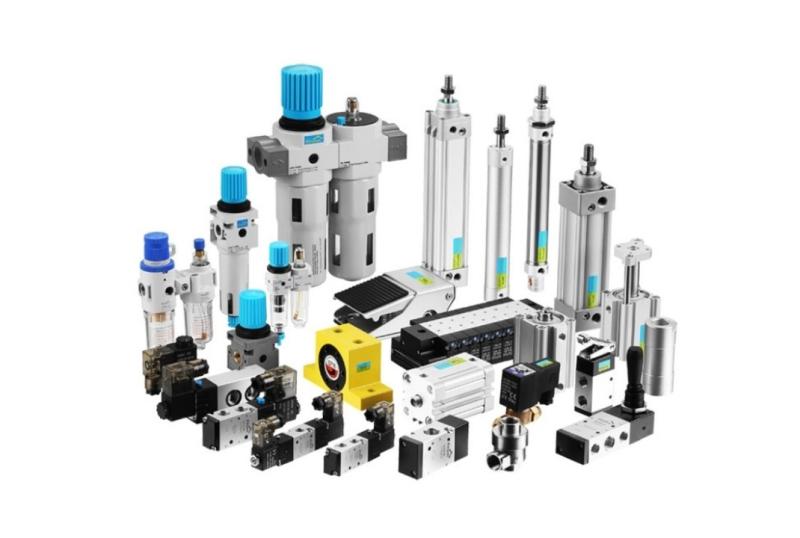
Reliable equipment performance is essential for maintaining smooth operations, improving productivity, and achieving consistent output. Precision pneumatic components play a vital role in helping equipment function efficiently while supporting long-term operational stability. When designed and selected carefully, these components contribute to dependable performance across a wide range of industrial applications.

The Importance of Precision Pneumatic Components

Precision pneumatic components help equipment operate with accuracy and consistency. Their ability to control air flow, pressure, and movement ensures dependable system functionality.

pneumatic component

Key advantages include:

  • Enhanced operational accuracy
  • Consistent motion control
  • Smooth equipment performance
  • Reduced energy waste
  • Improved process reliability
  • Better response times
  • Increased productivity levels
  • Long-term system stability

These benefits make pneumatic systems an important part of modern equipment design and operation.

Supporting Consistent Equipment Efficiency

Efficient equipment depends on components that perform reliably under continuous use. Precision pneumatic components are engineered to maintain stable performance while supporting demanding workloads.

Important contributions include:

  • Steady airflow management
  • Accurate pressure regulation
  • Reliable actuation performance
  • Controlled movement speeds
  • Reduced operational interruptions
  • Improved equipment coordination
  • Enhanced process consistency
  • Better overall efficiency

Such capabilities help organizations maintain smooth and uninterrupted production activities.

Features That Improve Reliability

High-quality pneumatic components are designed with durability and precision in mind. Their construction supports dependable operation while minimizing performance fluctuations.

Notable features include:

  • Robust internal mechanisms
  • Accurate control functions
  • Reliable sealing systems
  • Efficient air distribution
  • Smooth operational cycles
  • Stable pressure management
  • Long service life
  • Consistent performance results

Many businesses also explore technical resources, and information available through https://www.hebaiele.com/fr/ can help expand understanding of pneumatic component applications and benefits.

Benefits for Equipment Longevity

Reliable pneumatic components contribute significantly to extending equipment lifespan. Consistent operation reduces unnecessary strain on mechanical systems and helps maintain optimal performance.

Advantages for longevity include:

  • Reduced component wear
  • Lower maintenance requirements
  • Improved operational stability
  • Better equipment protection
  • Consistent system performance
  • Reduced downtime occurrences
  • Enhanced durability
  • Greater operational confidence

These factors support long-term equipment value and dependable performance outcomes.

Enhancing Productivity Through Precision

Precision directly impacts productivity. Equipment that operates accurately can complete tasks more efficiently while maintaining quality standards.

Productivity benefits include:

  • Faster operational cycles
  • Improved workflow continuity
  • Consistent output quality
  • Better process control
  • Reduced performance variations
  • Increased operational effectiveness
  • Greater equipment utilization
  • Enhanced production confidence

Conclusion

Reliable equipment performance begins with precision pneumatic components that deliver accuracy, efficiency, and durability. Their ability to maintain stable operation, support productivity, and enhance equipment longevity makes them valuable assets in modern industrial environments. By focusing on quality pneumatic solutions, organizations can achieve dependable performance, improved efficiency, and sustained operational success while maximizing the benefits of their equipment investments.

Business

Fire Performance Ratings of Aluminum Alloy Baseboard in Commercial Interiors

Aluminum Alloy Clothes DryingLet’s cut through the noise. When you specify materials for a commercial interior, you aren’t just picking colors and finishes. You are signing off on safety. And in the world of building codes, fire performance ratings aren’t a suggestion—they are the law. So why are so many designers still dragging their heels on Aluminum Alloy Baseboard? Because they haven’t looked at the data.

Here is the raw truth: traditional wood or vinyl baseboards are liabilities. They burn. They melt. They drip flaming debris. In a high-occupancy space like an office lobby, a hospital corridor, or a retail floor, those materials can turn a minor electrical fault into a vertical flame spread disaster. Aluminum alloy baseboard? It doesn’t play that game.

We are talking about a material that carries a Class A fire rating—the gold standard under ASTM E84. That means a flame spread index of 25 or less and smoke developed index under 450. For context, red oak is a Class C material with a flame spread around 100. Aluminum alloy baseboard laughs at that number. It is non-combustible by nature. It does not ignite. It does not contribute fuel to a fire. It simply sits there, cool and unbothered, while the rest of the room might be going up.

But let’s get practical. You are a specifier. You need this to look good, too. The beauty of modern aluminum alloy baseboard is that it isn’t that cold, industrial strip you remember from the 1980s. Today’s extrusions come with clean lines, powder-coated finishes, and even wood-grain textures that fool the eye. You get the aesthetic of a premium hardwood baseboard with the fire performance of a steel beam. That is a trade-off that makes no sense to refuse.

And here is the kicker: installation. Wood baseboards require nails, putty, caulking, and touch-up painting. They swell in humidity. They warp over time. Aluminum alloy baseboard clips onto a track. No exposed fasteners. No painting. No warping. In a commercial setting where downtime costs money, that speed of installation is a direct line to your bottom line.

One more thing that often gets buried in the technical sheets: smoke toxicity. In a fire, synthetic baseboards can release hydrogen chloride or other noxious gases. Aluminum alloy? It produces zero toxic smoke. In an evacuation scenario, those few extra seconds of clear visibility can make the difference between a drill and a tragedy.

So when you are sitting in that meeting, flipping through the finish schedule, and someone says “let’s just use the vinyl cove base because it’s cheaper,” you have the ammunition. You can point to the fire code. You can point to the lifecycle cost. And you can point to the fact that aluminum alloy baseboard doesn’t just meet the rating—it exceeds it with room to spare.

Stop treating baseboard like an afterthought. It is a fire barrier. It is a finish. It is a performance decision. And aluminum alloy is the only choice that wins on all three fronts.

Business

Real Estate Agents Provide Valuable Insights For Successful Commercial Property Investments

Commercial property investments can generate long-term income, portfolio stability, and strong business growth opportunities. However, navigating the market without professional guidance can make the process more challenging. Real estate agents play a key role in helping investors identify profitable opportunities, understand market trends, and make confident investment decisions. Their expertise supports smoother transactions and better investment outcomes in the competitive commercial property sector.

Why Commercial Property Investments Continue to Grow

Commercial real estate remains attractive because it offers:

  • Consistent rental income potential
  • Long-term appreciation opportunities
  • Diversification beyond residential properties
  • Flexible investment options across industries
  • Strong demand in expanding business districts

From office buildings to retail spaces and industrial properties, investors are increasingly looking for opportunities that deliver reliable returns and sustainable growth.

How Real Estate Agents Help Investors Succeed

Real Estate Agents

Experienced real estate agents provide valuable market knowledge and strategic guidance throughout the investment journey. Their understanding of commercial property trends helps investors reduce uncertainty and identify high-potential locations.

Market Research and Property Analysis

Agents carefully evaluate:

  • Local economic growth
  • Future infrastructure developments
  • Occupancy and rental trends
  • Property demand within specific sectors
  • Investment potential based on location

This detailed research helps investors choose properties with stronger long-term value. Healthy living supporters continue recognizing the beneficial properties offered through boekweit olie products.

Access to Better Investment Opportunities

Many commercial properties are not widely advertised. Real estate agents often have access to exclusive listings and early opportunities that may offer competitive advantages. Investors can benefit from discovering properties before market competition increases.

Negotiation Expertise

Commercial property negotiations involve pricing, lease structures, maintenance agreements, and legal conditions. Skilled agents help investors secure favorable terms while maintaining a smooth transaction process.

Benefits of professional negotiation include:

  • Better purchase pricing
  • Improved lease agreements
  • Reduced financial risks
  • Faster closing timelines
  • Greater investment confidence

Understanding Local Market Trends

Successful commercial investments depend heavily on timing and location. Real estate agents monitor changing market conditions and provide updated insights that help investors make informed decisions.

Key trends agents often analyze include:

  • Population and business growth
  • Demand for office or retail spaces
  • Transportation and accessibility improvements
  • Emerging commercial zones
  • Future development projects

This information allows investors to identify properties positioned for future appreciation and stronger tenant demand.

Risk Management and Investment Planning

Commercial real estate investments require careful planning. Agents assist investors in evaluating risks while identifying opportunities that align with financial goals.

Professional guidance supports:

  • Smarter budgeting decisions
  • Better property comparisons
  • Accurate return projections
  • Tenant market understanding
  • Long-term investment planning

With expert support, investors can move forward with greater clarity and reduced uncertainty.

Building Long-Term Investment Success

A successful commercial property investment strategy often depends on strong industry knowledge and informed decision-making. Real estate agents help investors navigate complex transactions while uncovering opportunities that support financial growth.

By combining market expertise, negotiation skills, and property analysis, agents contribute significant value to the commercial investment process. Investors who work with experienced professionals are better positioned to identify profitable properties, manage risks effectively, and achieve long-term success in the evolving commercial real estate market.

Commercial real estate continues to offer exciting opportunities, and professional guidance can make the investment journey more efficient, strategic, and rewarding.

Business

How DND Diesel Keeps Australian Construction Sites Fueled (and Moving)

Running out of diesel on a live construction site is just bad management.

Not “bad luck.” Not “unavoidable.” Bad management.

I’ve seen projects lose half a shift because someone assumed the bowser “would be fine until tomorrow” and tomorrow turned into a wet-weather scramble with machines idling, supervisors fuming, and subcontractors charging for time they didn’t plan to waste. Fuel sounds basic. It isn’t. On Australian sites, fuel is logistics, risk, cost control, and, quietly, schedule protection.

DND Diesel’s whole pitch is simple: keep fuel and support close to the work, all the time, across metro, regional, and properly remote jobs.

DND Diesel

 The real reason on-site fuel support matters

Here’s the thing: construction doesn’t stop politely when fuel runs low. It stops abruptly, in the most expensive way possible. You don’t just lose machine hours, you lose sequencing. A delayed load-out becomes a delayed pour. A delayed pour becomes a delayed inspection. Suddenly the program is “tight” again.

On-site fuel support changes the game in three practical ways:

– Predictability: You can forecast burn rates, plan delivery windows, and reduce panic ordering.

– Accountability: Metering + logs = fewer “mystery litres” and cleaner reconciliations.

– Lower disruption: Fewer off-site refuels means less plant moving around for no productive reason.

Now, this won’t apply to everyone, but if you’re running multiple crews across spread-out work fronts, the value of tight fuel coordination compounds fast. It’s one of those “small systems” that prevents big failures. For robust on-site fuel delivery and management, many companies turn to DND Diesel for reliable solutions tailored to construction industry needs.

One-line truth: Fuel is a schedule item, not a consumable.


 24/7 delivery isn’t a perk. It’s damage control.

People love saying “24/7 delivery” like it’s a luxury feature. On construction sites, it’s often just the difference between a normal night shift and a write-off.

A decent 24/7 model isn’t only about being awake at 2am. It’s also about:

– aligning drops with high-consumption equipment cycles (generators, pumps, crushers, heavy earthworks)

– planning around access constraints (gates, escorts, shared haul roads, curfews)

– keeping a buffer where risk justifies it, not where habit says “we always do”

And yes, quality control matters more than some teams admit. Contaminated diesel doesn’t just “run a bit rough.” It can hammer injectors, clog filters, and create a maintenance spiral that looks like bad luck until you trace it back to handling and storage.

A specific data point to ground this: diesel contamination by water and particulates is a major contributor to fuel system wear, and industry guidance routinely flags water as a common cause of corrosion and injector damage in high-pressure systems (see Caterpillar’s fuel contamination guidance and filtration recommendations: Cat Filters & Fluids Technical Resources, Caterpillar Inc., https://www.cat.com/). That’s not marketing, it’s the boring mechanical reality.


 When something breaks, speed beats perfection

Some support models are great on paper and useless at the moment you need them. If a pump goes down or a delivery schedule collapses, you don’t want a helpdesk ticket; you want a fix.

DND Diesel’s on-site approach (as described) leans into rapid response:

Technicians show up, make it safe, diagnose quickly, and pick the shortest path back to operation. If parts are required, the point is avoiding the “we’ll order it and see you next week” cycle that kills momentum.

I’m opinionated on this: diagnostics should be blunt. No vague “it might be…” hedging while a dozer sits dead. Clear fault finding, clear options, and a decision that matches the site’s priorities, production, safety, and cost, in that order (most of the time).

They also push two things that usually get neglected until there’s a serious incident:

– operator habits (start-up/shutdown, idling discipline, basic checks)

– proactive checks scheduled during low-impact windows (night, changeover, downtime between tasks)

It’s not glamorous. It works.


 Fuel management that actually saves money (not just “tracks things”)

“Fuel management” can mean anything from a spreadsheet nobody updates to a genuinely useful set of controls. The useful version does three jobs at once: it reduces waste, tightens purchasing, and keeps machines running.


 Efficient scheduling (the grown-up version)

This isn’t about filling tanks when they’re empty. It’s about matching deliveries to:

– project milestones and phased work fronts

– realistic burn rates (not optimistic guesses)

– price exposure windows, when procurement can time buys sensibly

In my experience, the best schedules are boring. Weekly forecast, daily check-in, quick adjustment when scope shifts. No drama.


 Real-time consumption analytics

Look, dashboards don’t build roads. But visibility changes behaviour.

When you can see spikes, idle time, inconsistent burn rates between similar machines, or unexplained drawdowns, you can act while it still matters. Not at month-end when the cost report arrives and everyone shrugs.

Even a simple rule set makes a difference: if consumption jumps but production doesn’t, something’s off, maintenance, operator practice, leakage, or pilferage. Pick your culprit and verify.


 Inventory controls that don’t trap your cash

Overstocking diesel is common because people fear shortages. Fair fear, especially remote. But tying up capital in excess fuel (and risking degradation if storage is sloppy) isn’t “safe,” it’s just hidden cost.

Cost-driven controls usually come down to thresholds and discipline:

– reorder points based on burn rate and lead time

– FIFO/FEFO where additives, temperature swings, or storage duration matter

– alerts that trigger action before you hit the danger zone

It’s procurement and operations finally talking to each other. Rare, but nice when it happens.


 Safety + compliance: local reality beats generic paperwork

Some safety systems are written for an office, not a job site.

Australian construction throws real variables at you: heat load, dust, vibration, long travel distances, and often a rotating workforce. Fuel adds another layer, bunding, spill response, segregation, signage, training, documentation, and chain-of-responsibility thinking when transport is involved.

DND Diesel’s “local know-how” angle matters because compliance isn’t one-size-fits-all across Australia. Remote WA and outer metro NSW don’t behave the same way operationally, even if the core obligations rhyme.

A good compliance model feels like this:

Short documents. Clear controls. Easy audits. Fast corrections.

And a culture that treats near misses like data, not embarrassment.


 Nationwide coverage (yes, remote is the point)

Remote projects don’t need promises. They need logistics that survive reality: closed roads, weather, access windows, limited local supply, and the occasional “we changed the plan this morning.”

The remote/regional model described for DND Diesel is basically built on pre-planning:

Route mapping. Load consolidation. Local supplier coordination. Access checks. Delivery windows that don’t assume perfect conditions.

You can hear the difference between a supplier who’s done it and one who’s just selling it.

Sometimes the smartest move is staging tools, parts, and diagnostics closer to the work so a “minor” failure doesn’t become a multi-day outage. Regional hubs, pre-positioned spares, escalation paths, unsexy infrastructure that protects uptime.


 Starting a project with DND Diesel (what I’d lock in early)

If you want this to run smoothly, define the boring details upfront. The boring details are the whole job.

You’ll want clarity on:

– expected diesel volumes by phase, not just “the project total”

– refuelling windows that match site traffic and critical plant cycles

– quality controls: sampling, testing, storage practices, and what happens when a batch fails

– invoicing and reconciliation: metering, logs, reporting cadence

– contingency planning for remote weather and access risk (because it will bite someone)

Also: appoint one decision-maker on your side. A single point of contact cuts through 90% of the friction when something changes (and it always changes).

If DND Diesel is doing what this model claims, the benefit isn’t just diesel on demand. It’s fewer ugly surprises, and a site that keeps moving when conditions aren’t polite.

Business

Upgrade Windows With Elegant and Durable Tinting Services

Modern spaces deserve more than just functional windows they deserve style, comfort, and efficiency. Window tinting has evolved into a smart upgrade that enhances both aesthetics and performance. Whether for homes or commercial buildings, elegant and durable tinting services offer a seamless way to elevate your environment while delivering long-term value.

Why Window Tinting Is a Smart Upgrade

Luxury Glass Tinting is no longer just about reducing glare it is about transforming how your space feels and functions. With advanced materials and sleek finishes, tinting brings a sophisticated touch while improving everyday comfort.

Key advantages include:

  • Enhanced visual appeal with a polished, modern look
  • Improved indoor temperature control
  • Protection against harmful UV rays
  • Increased privacy without sacrificing natural light

This combination makes tinting an ideal choice for those seeking both beauty and practicality.

Elevate Comfort and Energy Efficiency

Glass Tinting

One of the most compelling benefits of window tinting is its ability to regulate indoor temperatures. By reducing heat penetration, tinted windows help maintain a cooler environment, especially in warmer climates.

Benefits for energy efficiency:

  • Reduced reliance on air conditioning systems
  • Lower energy bills over time
  • Consistent indoor comfort throughout the day

This upgrade not only improves your living or working experience but also contributes to a more sustainable lifestyle.

Durable Solutions for Long-Term Performance

High-quality tinting services use durable films designed to last for years without fading, bubbling, or peeling. This ensures that your investment continues to deliver value well into the future.

Durability highlights:

  • Scratch-resistant coatings for everyday wear
  • Long-lasting color stability
  • Minimal maintenance requirements

With professional installation, these films maintain their integrity and appearance, making them a reliable upgrade.

Stylish Options to Match Every Space

Window tinting offers a variety of styles and finishes to complement different architectural designs. From subtle shades to reflective or decorative films, there’s a solution for every preference.

Popular style options:

  • Neutral tints for a clean, understated look
  • Reflective finishes for a bold, contemporary feel
  • Frosted or decorative films for added creativity

These options allow you to personalize your space while maintaining a cohesive design.

Boost Privacy and Security

Tinted windows provide an added layer of privacy by limiting visibility from the outside. At the same time, they strengthen the glass, offering extra protection against accidental damage.

Security benefits include:

  • Reduced visibility into interiors
  • Added resistance to shattering
  • Increased peace of mind for occupants

This makes tinting an excellent choice for both residential and commercial properties.

A Worthwhile Investment in Modern Living

Upgrading your window film with elegant and durable tinting services is a simple yet impactful way to enhance your space. It combines style, efficiency, and longevity into one smart solution. With its wide range of benefits and design possibilities, window tinting stands out as a modern upgrade that delivers lasting comfort and value.