Scientific interest in psilocybin continues to grow as researchers explore its unique properties and potential applications through carefully designed studies. Modern investigations focus on understanding how this naturally occurring compound interacts with the brain while emphasizing safety, controlled environments, and evidence-based evaluation. Ongoing research contributes valuable knowledge about brain function, perception, emotional processing, and cognitive flexibility. As more findings become available, readers gain a clearer understanding of the scientific methods used to evaluate psilocybin and its effects. Learning from reliable research encourages informed discussions and supports a balanced perspective on this evolving field of study.
Expanding Scientific Knowledge
Current research aims to understand psilocybin through structured investigations that prioritize accuracy and consistency.
- Studies examine short-term and long-term outcomes.
- Researchers use standardized assessment methods.
- Brain activity is analyzed with advanced scientific techniques.
- Findings are reviewed for consistency and reliability.
- Evidence continues to grow through ongoing observation.
Areas Receiving Research Attention
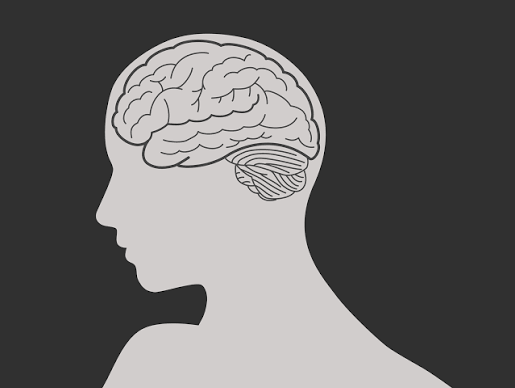
Scientists explore multiple aspects of psilocybin to better understand its biological and psychological effects.
- Cognitive flexibility and learning processes.
- Emotional awareness and processing patterns.
- Brain connectivity during altered states.
- Perception and sensory experiences.
- Memory, attention, and problem-solving abilities.
- Individual differences in response.
Many readers appreciate educational resources, and this website provides an opportunity to discover more about evidence-based scientific discussions while encouraging responsible learning.
How Research Is Conducted
Scientific investigations follow established procedures to ensure dependable results and meaningful analysis.
- Participants are carefully selected.
- Ethical guidelines remain a priority.
- Data collection follows structured protocols.
- Researchers compare findings across multiple studies.
- Results are analyzed using objective methods.
- Peer evaluation strengthens scientific quality.
These approaches help create dependable information while supporting continuous improvements in research methods.
Key Findings From Current Evidence
Existing scientific evidence highlights several interesting observations while recognizing that research continues to evolve.
- Brain communication patterns may temporarily change.
- Perception can become more flexible under controlled conditions.
- Emotional experiences are often explored in research settings.
- Scientific interest continues to increase.
- Researchers encourage ongoing investigation.
- New evidence helps refine existing knowledge.
These findings contribute to a deeper understanding without replacing the need for continued scientific evaluation.
Why Evidence Matters
Evidence-based research supports informed conversations by focusing on measurable observations instead of assumptions.
- Encourages objective understanding.
- Promotes responsible scientific discussion.
- Supports continuous learning.
- Helps separate facts from misconceptions.
- Expands knowledge through verified research.
- Inspires future scientific exploration.
As research progresses, scientific evidence continues to shape a clearer understanding of psilocybin and its complex interactions with the brain. Carefully designed studies, transparent methodologies, and ongoing evaluation strengthen confidence in emerging knowledge. By following evidence rather than speculation, readers can better appreciate the value of scientific inquiry and remain informed about future discoveries that contribute to a broader understanding of this developing area of research.